



A Parent’s Guide to Meconium, Transitional, Breastfed and Formula-fed Baby Stools
The appearance of a newborn’s stools is one of the most common concerns for new parents. During the first days and weeks of life, it is completely normal for your baby’s stools to change in colour, consistency and frequency as their digestive system adapts to milk feeding.
Many parents worry when they notice green stools, infrequent bowel movements or changes in texture. In most cases, these variations are completely normal and reflect healthy development.
This guide explains what to expect and when you should seek medical advice.
Meconium
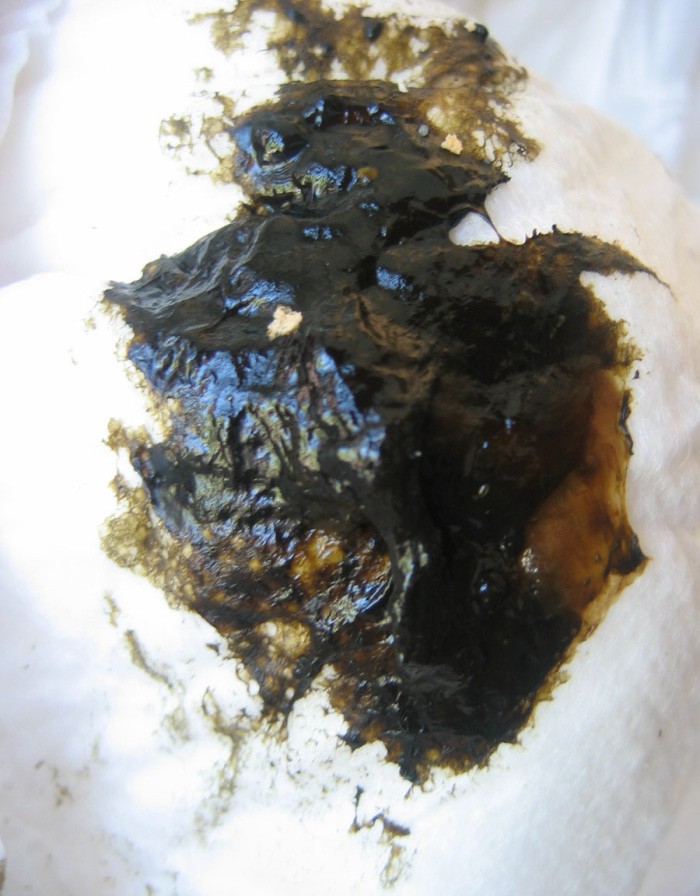
Typical meconium: thick, sticky and dark green to black.
Meconium is the first stool passed by a newborn baby. It is usually passed within the first 24 hours after birth, although some healthy babies may take up to 48 hours.
Meconium contains materials swallowed during pregnancy, including intestinal cells, mucus, amniotic fluid and bile. It is thick, sticky, dark green to black and almost odourless.
As feeding becomes established, meconium gradually changes into transitional stools.
If your baby has not passed meconium within the first 48 hours, they should be assessed by a paediatrician.
💡 Did You Know?
Passing meconium is an important sign that your baby’s intestines are working normally. Most healthy newborns pass their first stool within the first day of life.
Transitional Stools
Transitional stools usually appear between the second and fourth day of life.
They become:
- Softer
- Less sticky
- Greenish-brown to yellowish-brown
- Easier to pass
This stage usually lasts only one or two days before mature milk stools appear.
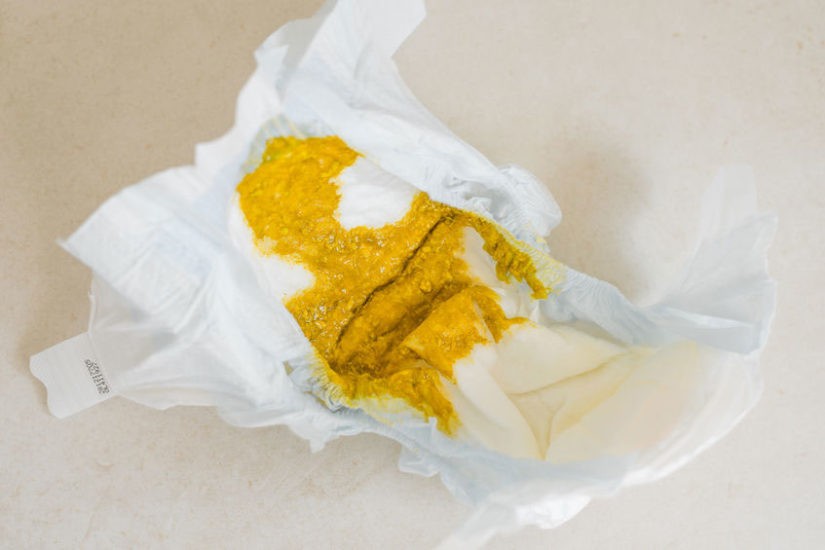
Breastfed Baby Stools
Breastfed babies usually have stools that are:
- Mustard yellow or golden
- Soft and creamy
- Loose rather than formed
- Containing small white “seed-like” particles
Many breastfed babies pass stools after almost every feed during the first few weeks.
Breastfed stools may also become greener after exposure to air because of oxidation.
Formula-fed Baby Stools
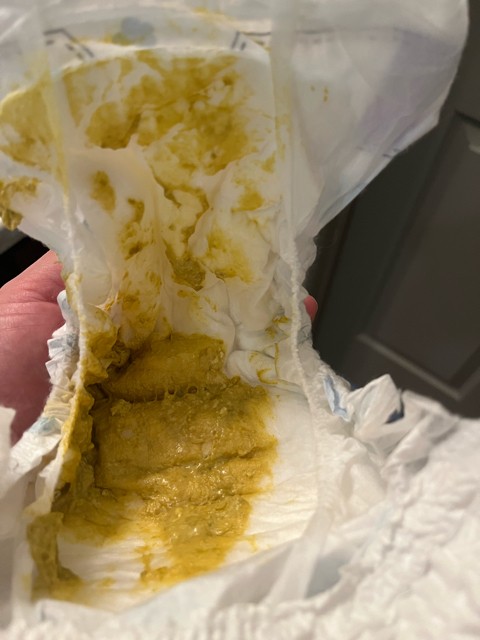
Formula-fed babies generally have stools that are:
- Thicker
- More pasty
- Yellow, brown or green
- Slightly stronger smelling than breastfed stools
Formula-fed stools are usually firmer and less frequent than breastfed stools. Different infant formulas may produce small variations in colour and consistency, and these are usually normal.
💡 Did You Know?
How Often Should My Baby Have a Bowel Movement?
Every baby is different.
Breastfed babies may pass stools after every feed, while others may only have one bowel movement every several days after the first month of life.
Formula-fed babies usually pass stools one to four times per day, although some healthy babies may have bowel movements every two or three days.
If your baby is feeding well, growing appropriately and appears comfortable, these patterns are usually completely normal.
When Should Stool Colour Be a Concern?
Although most stool colours are normal, medical advice should be sought if your baby has:
- White or pale (chalk-coloured) stools
- Black stools after the meconium period
- Repeated blood in the stools
- Persistent watery diarrhoea
- Green (bilious) vomiting
- Poor feeding or increasing sleepiness
Frequently Asked Questions:
My baby hasn’t had a bowel movement for two days. Should I worry?
Not necessarily. Some healthy babies, may go several days without passing a stool.
Should I use a suppository or micro-enema?
No. These should only be used if recommended by your paediatrician.
What colour stool is an emergency?
White (chalk-coloured) stools, black stools after the first few days of life, or repeated blood in the stool should always be assessed by a doctor.
Key Take-Home Message
The appearance of newborn stools changes naturally during the first weeks of life. Colour, consistency and frequency can vary considerably from one baby to another.
If your baby is feeding well, growing appropriately and appears happy and comfortable, these changes are usually part of normal development.
If you are ever concerned about your baby’s stools or general health, seek advice from your paediatrician
Dr Silvia Pierini
Consultant Paediatrician
Chelsea, London