



The umbilical cord provides your baby with oxygen and nutrients throughout pregnancy. After birth, the cord is clamped and cut, leaving a small stump attached to your baby’s tummy. Over the following days, the stump gradually dries, shrivels and eventually falls off naturally.
Caring for the umbilical cord is simple. The most important advice is to keep the cord clean, dry and free from pressure, allowing it to heal naturally and reducing the risk of infection.
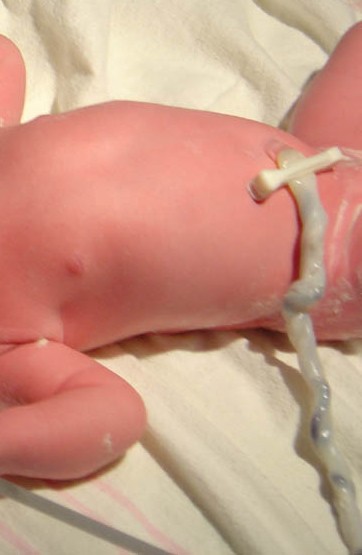
When does the umbilical cord fall off?
In most newborns, the umbilical cord stump falls off between 7 and 14 days after birth. However, in some babies it may take up to 3–4 weeks, which can still be completely normal.
As the stump dries, it changes colour from yellowish-white to brown and eventually black before separating naturally.
What is normal during healing?
During the healing process, the umbilical cord stump gradually becomes dry, hard and shrivelled. This is completely normal.
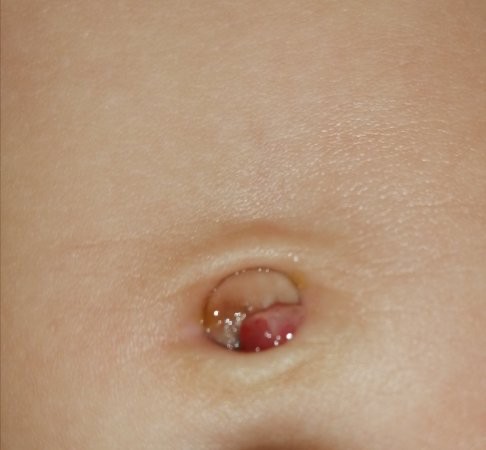
When the stump falls off, you may notice a few drops of blood or a small amount of clear or yellowish fluid. This usually settles within one or two days and does not require any treatment.
If the bleeding is persistent, the skin around the cord becomes red or swollen, or there is a foul-smelling discharge, your baby should be assessed by a paediatrician.

How to care for the umbilical cord?
Good hygiene is the best way to reduce the risk of infection.
Wash your hands.
Always wash your hands thoroughly with soap and water before touching the umbilical cord stump and especially after changing your baby’s nappy.
Keep the cord clean and dry.
Check the umbilical cord at every nappy change to make sure it has not become soiled with urine or stools. If the stump becomes soiled, gently clean it with water and carefully pat it dry with a clean, sterile gauze.
Do not apply alcohol, antiseptics, creams, powders or any other products unless specifically recommended by your paediatrician.
Avoid pressure on the stump.
Fold the front of the nappy below the umbilical cord stump so that it does not rub against the stump. Dress your baby in loose-fitting clothing and, whenever possible, leave the stump exposed to the air to help it dry naturally.
Bathing your baby
Avoid immersion baths until the umbilical cord stump has fallen off. During this time, your baby can be cleaned using a sponge bath or by gently washing under running water. Afterwards, carefully dry the cord to keep it as clean and dry as possible.
When should you seek medical advice?
Although most umbilical cords heal without any problems, you should contact your paediatrician if you notice:
- Redness spreading around the base of the cord.
- Swelling or tenderness around the belly button.
- Yellow or green discharge (pus).
- A foul-smelling discharge.
- Persistent or heavy bleeding.
- The umbilical cord has not fallen off after 3–4 weeks.
- Your baby develops a fever, feeds poorly, or appears unusually sleepy or unwell.
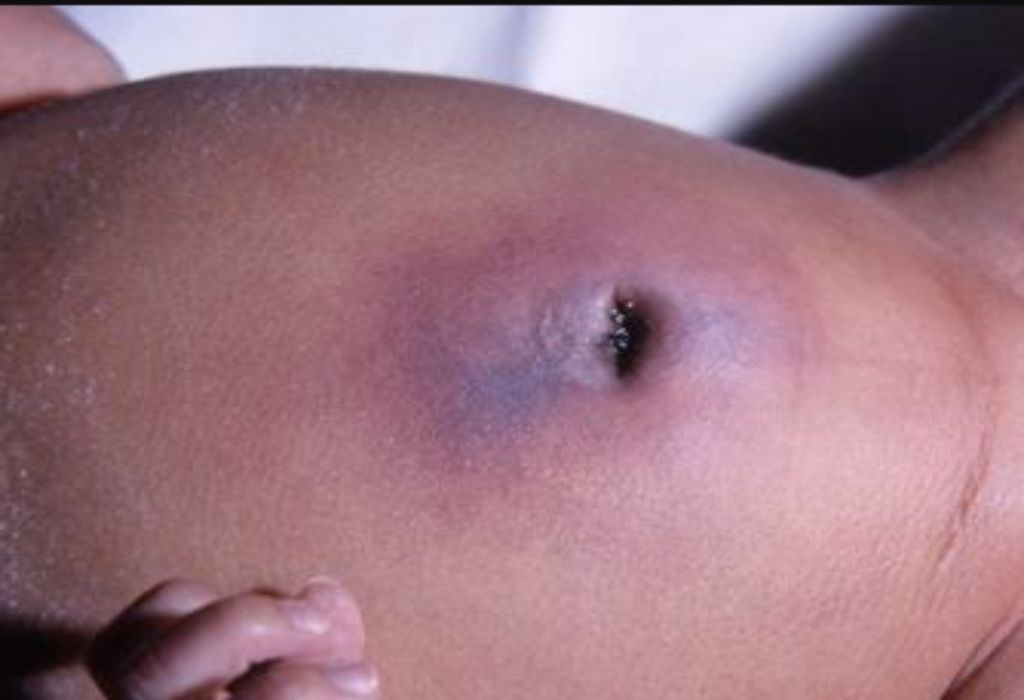
These signs may indicate omphalitis, an infection of the umbilical cord stump that requires prompt medical treatment.
Possible complications:
Omphalitis : omphalitis is an infection of the umbilical cord stump. It usually presents with redness, swelling, tenderness and discharge around the belly button. Early diagnosis and treatment with antibiotics are important.

Frequently Asked Questions:
When does the umbilical cord usually fall off?
Most umbilical cord stumps separate naturally within 7 to 14 days, although in some babies it may take up to 3–4 weeks.
Is it normal for the umbilical cord to bleed?
A few drops of blood when the cord separates are common and usually settle quickly. Persistent or heavy bleeding should always be assessed by a paediatrician.
Should I use alcohol or antiseptic on the umbilical cord?
No. In most healthy newborns, the best approach is simply to keep the cord clean and dry. Alcohol, antiseptics and creams are not routinely recommended unless advised by your paediatrician.
Can I cover the umbilical cord with the nappy?
No. Fold the front of the nappy below the umbilical cord stump to avoid rubbing and allow air to circulate. Keeping the stump dry helps it heal naturally.
When should I contact a paediatrician?
Seek medical advice if you notice increasing redness, swelling, pus, persistent bleeding, foul-smelling discharge, delayed cord separation, or if your baby develops a fever or appears unwell.
Dr Silvia Pierini
Consultant Paediatrician
Chelsea, London